


May, 2026
Travel+ Leaisure
Indian Edition
Festivals Are Out. The Next Wave Of Music Tourism Is Built Around Silence
From qawwali by a river in Kumaon to sound baths in the Cotswolds, music tourism is turning softer—and travellers are leading the way.
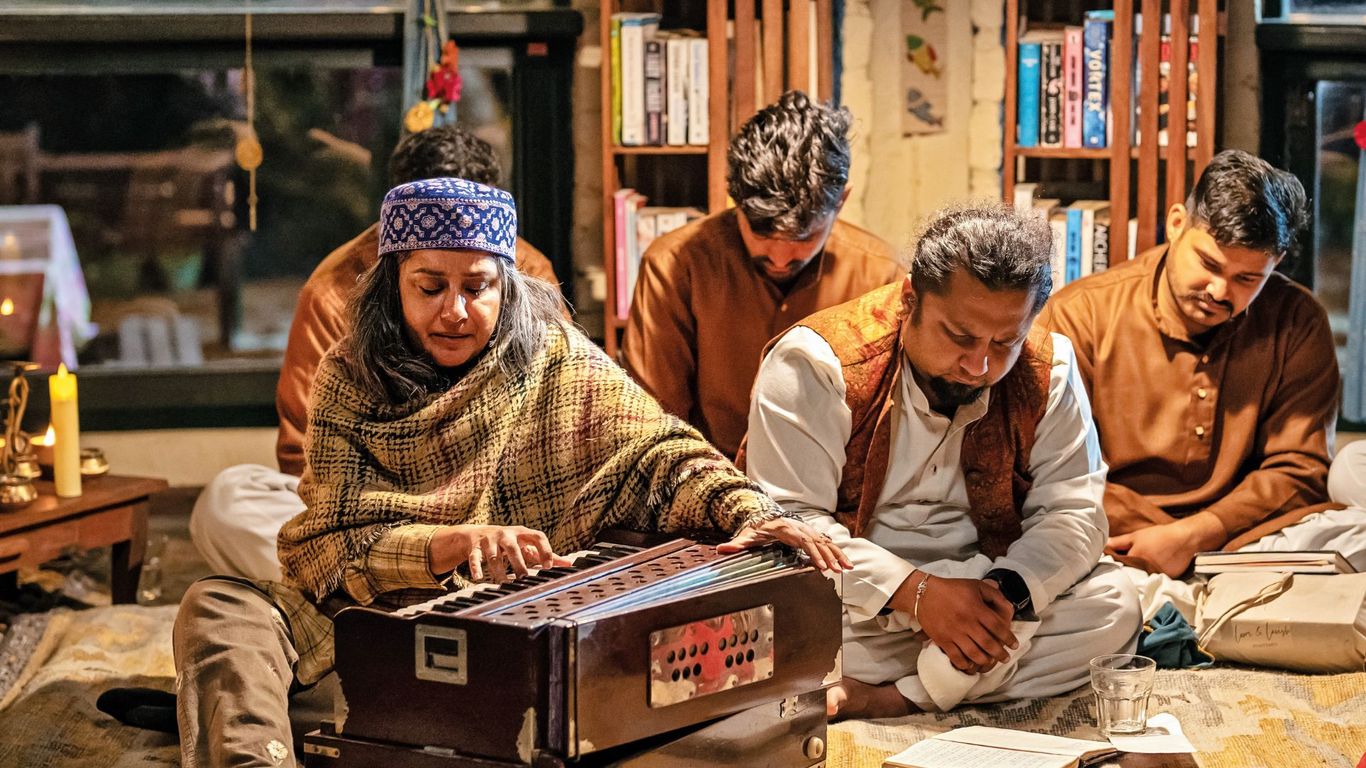
People are travelling not for headline acts or festival crowds, but for experiences with sound that heal emotional exhaustion and help with a reset (Photo Courtesy: Solitude By The Riverside)
There was a time when music tourism meant wristbands, festival fields, and a flight booked around a set list. While that may still hold for some, the purpose of travel for music is shifting. People are now journeying not for headline acts or festival crowds, but for experiences like a qawwali by a river in Kumaon, a crystal-bowl immersion in Sedona, or a headphone-led movement class in Dubai.
Sure, you could dismiss this as another wellness micro-trend — but the travel economy suggests otherwise. The Global Wellness Institute’s Global Wellness Economy Monitor 2024 valued wellness tourism at $830.2 billion in 2023, with over 1 billion wellness tourism trips worldwide, and identified sound healing, white noise, noise cancellation, and wellness music as part of a rapidly expanding “senses, spaces, and sleep” economy.
The same expansion is visible in India. According to Global Wellness Institute country data released in 2026, India’s wellness economy reached $180 billion in 2024, driven in part by gains in wellness tourism and traditional and complementary medicine.
In this mix, sound is no longer a pleasing extra folded into a spa menu. It is becoming the point.
Samay Ajmera, psychotherapist, music therapist, and Western Regional Liaison at the Indian Association of Medical Music Therapy, explains that traditional music tourism is “more about stimulation, performance, and shared energy,” while quieter sound-led experiences are “more inward-facing, with minimal stimulation, supporting a calmer, more regulated state.”
Hilton’s 2026 Trends Report found that 56 per cent of respondents cited “rest and recharge” as their top motivation for leisure travel this year. What travellers seem to be after is not only escape, but relief from the level of stimulation they have come to accept as normal.
One of the most compelling expressions of this quieter music travel is unfolding in Kumaon.
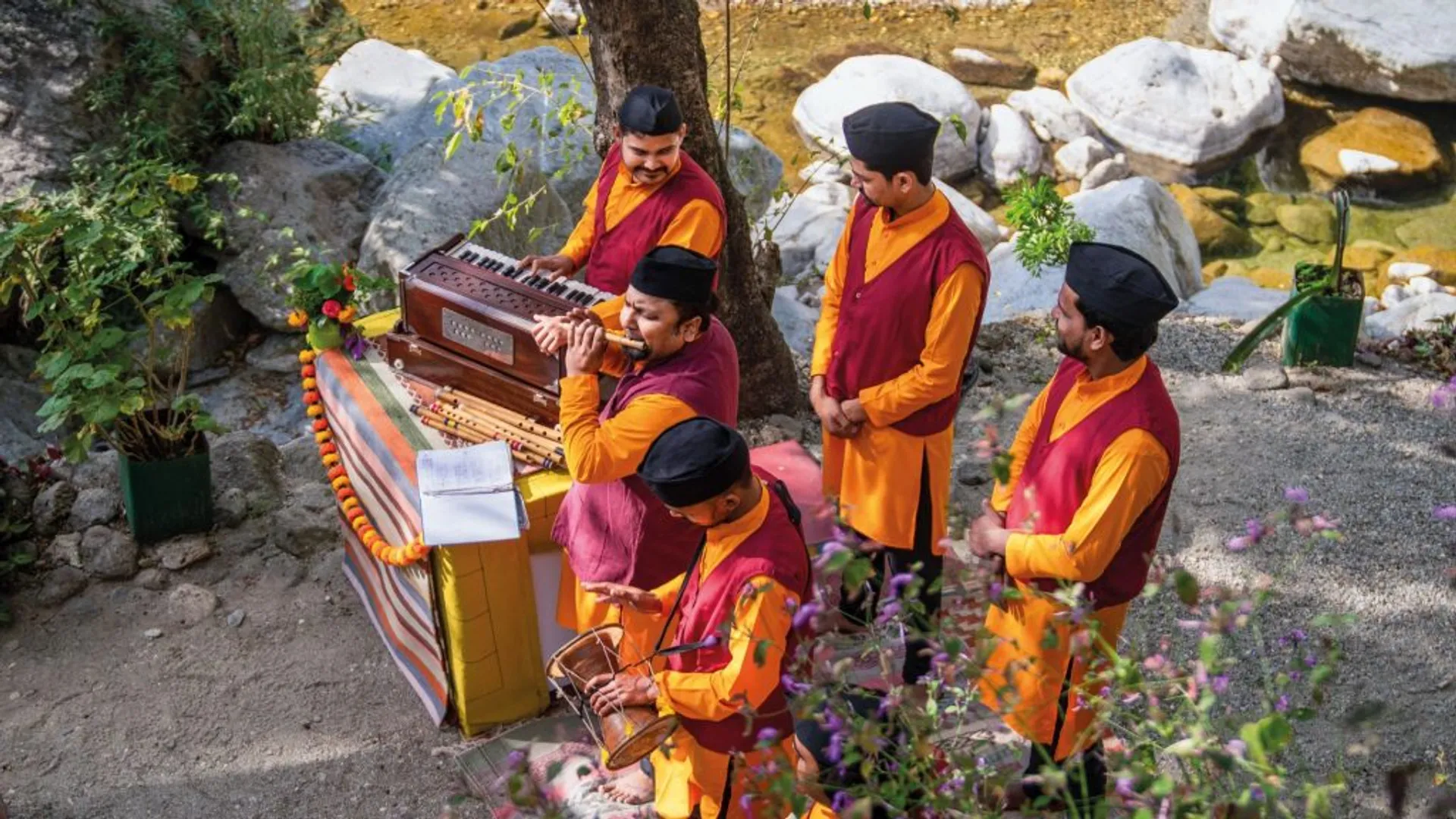
At Soulitude by the Riverside, Amarrass Music Tours hosts small baithak-style gatherings. Founder Ashutosh Sharma says the idea was to bring music lovers directly to the musicians, ensuring an authentic experience.
The setting matters here. Sharma spent almost eight months scouting properties before choosing Soulitude — a place that cannot be driven into. Guests must get out of the car and walk across the river to arrive. The seven-room property caps gatherings at 15 to 20 people, and they sell out quickly.
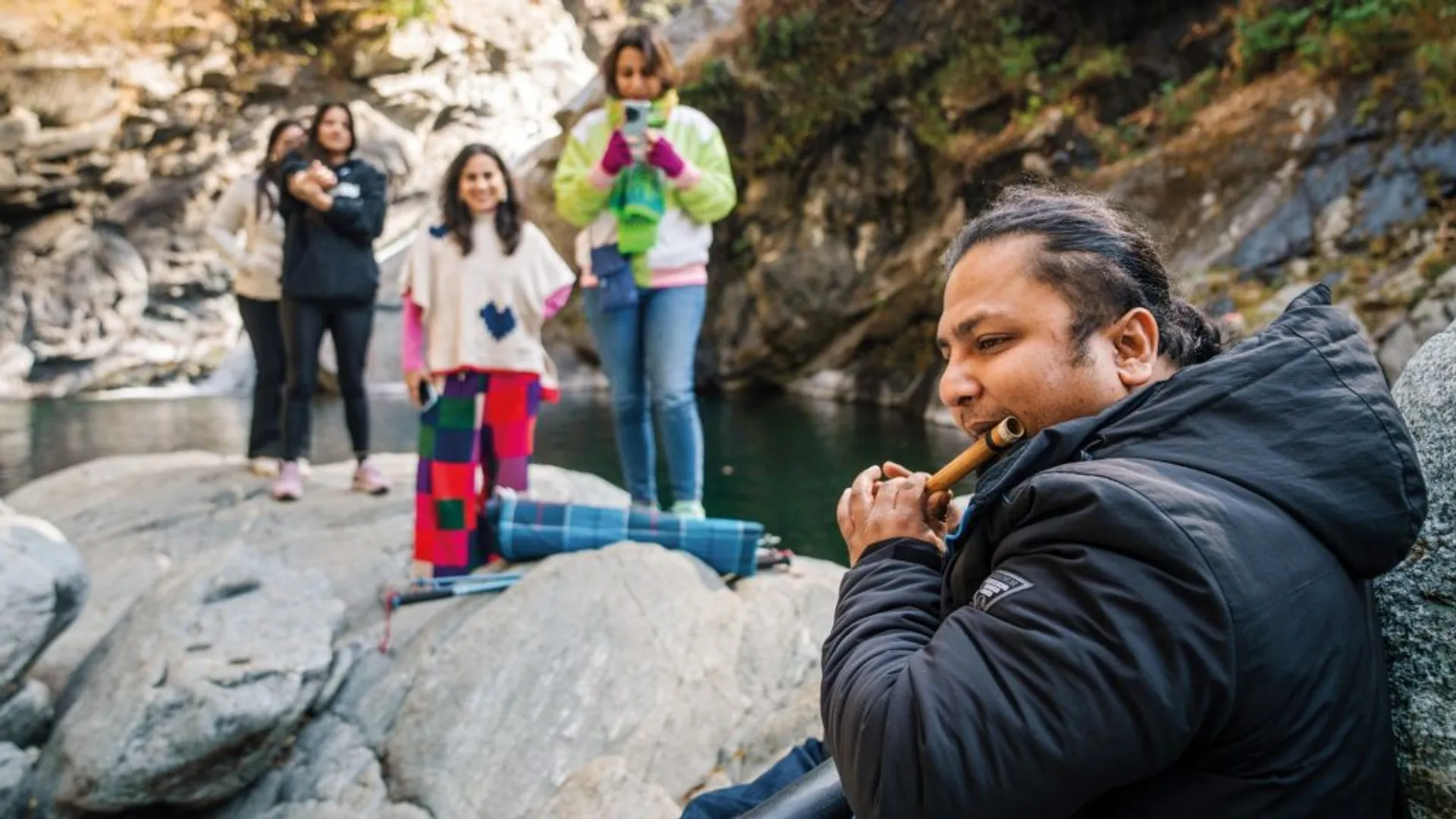
Rupesh Jain, who travelled from Delhi, says the experience gave him something a conventional music event could not: the chance to sit face to face with the qawwals, surrounded by hills, a gurgling stream, and open countryside.
Read the original article here